












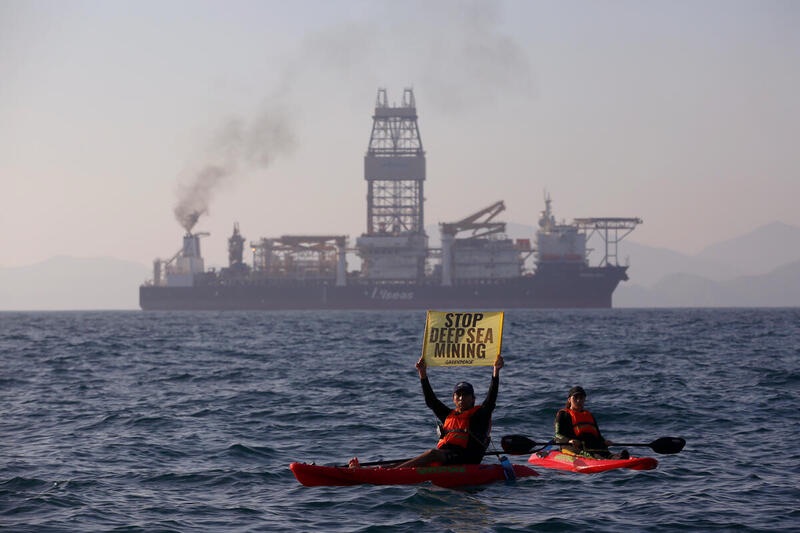
A varias semanas del derrame de hidrocarburos en el Golfo de México, el saldo va más allá de las cifras aún inciertas…
Más
A varias semanas del derrame de hidrocarburos en el Golfo de México, el saldo va más allá de las cifras aún inciertas…
Más
El liveblog ha finalizado.No hay actualizaciones todavía. Cargar más…
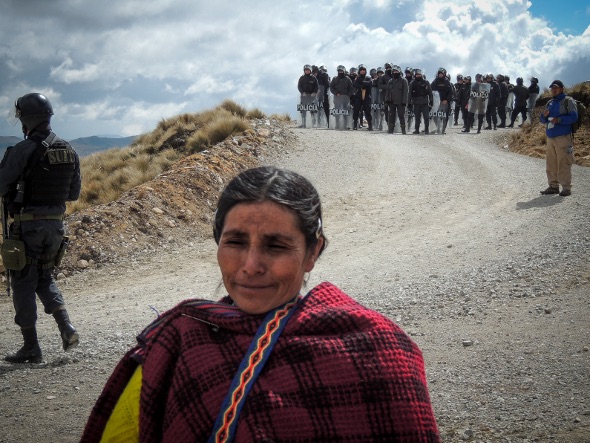
Read in English En las tierras altas del norte de Perú, el agua fluye en silencio a través de una frágil red de lagunas que sostienen comunidades enteras. En Cajamarca, estos ecosistemas no son solo parte del paisaje: son la base de…
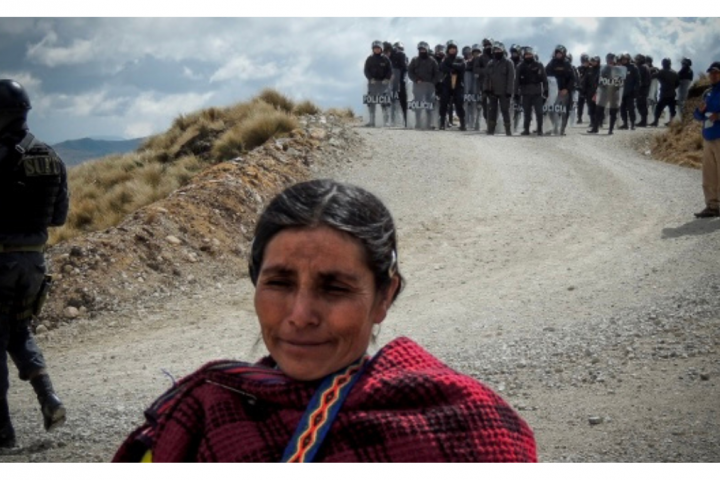
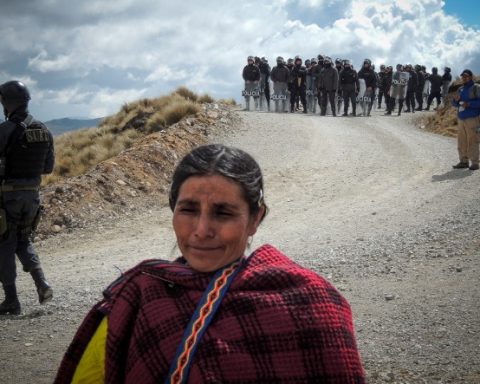
Leer en español The locally known waters of the northern Andes of Cajamarca, Lagunas, flows through the rolling grasslands dotted with cold and shallow lakes. In Peru’s rural areas, they are the only source of life. For decades, families have depended on the Lagunas for drinking, watering crops, and raising livestock. But over the past twenty years, those lakes have turned into one of Peru’s sites for environmental conflicts. Women had been at the center of this crisis. Women defending water Image: Máxima Acuña. Source: New Internationalist Máxima Acuña, a peasant farmer who lives with her family in the highlands of northern Peru to rear animals and grow crops, has become a point for resistance when one of Latin America’s largest mining companies tried to expand its operations into her region. The Conga Project, led by Minera Yanacocha, was designed to extract gold and copper from deposits in Acuña’s network of high altitude lakes. To do that, the plan involved draining the lake’s water and replacing them with artificial reservoirs. But for the community, the move was unacceptable. “I never had the chance to go to school, I never had the chance to learn even a letter, but I know how to resist, to fight and that’s why I will never be defeated by the mining companies,” Acuña said during her environmental campaign, describing why she had laid down the thought of leaving her land despite mounting pressure to do that. In 2011, due to her resistance, her house, an extension she was building were demolished, and her sheep were robbed. Her daughter was beaten up by the Peruvian police, who violated her rights to private life and security. But despite that, Acuña refused to be pressured to run away from her ancestral community. Between water and gold The conflict in Cajamarca city reveals the growing tension throughout Peru, a country rich in minerals but depends heavily on natural ecosystems for water regulation, cultivation of crops, and fishing. The country is among the world’s top producers of gold and copper. Mining has been attributed to the growth of the economy, but it has also been the cause of increasing protests in rural areas where communities heavily rely on land and water for sustenance. As the lakes in the highlands serve as natural water storage systems, feeding rivers and wetlands, mining projects threaten them, as such, communities fear losing their only source of drinking water and agricultural use. In these communities, that fear is still driving mass movement of local populations to areas less prone to mining activities In 2012, thousands of Peruvians marched from Cajamarca to Lima, in what was popularly called the “National March for Water,” as they demanded protection for their sources of water over the expansion of gold mining. Women on the frontline While vulnerable communities have put strong resistance against mining projects, local women are playing an important role in this. The impact that polluted water sources pose to their daily lives account to loss of livelihoods in rural areas where women are responsible for farming, food preparation, and collection of water. Research reports have shown that women in mining areas are faced with disproportionate burdens that range from loss of agricultural land to increasing pressure on the local economy. In Cajamarca, the women have taken protests seriously involving community patrols, and advocacy campaigns with a goal to protect water sources. The documentary Hija de la laguna “Daughter of the Lake” follows Nélida Ayay, a …
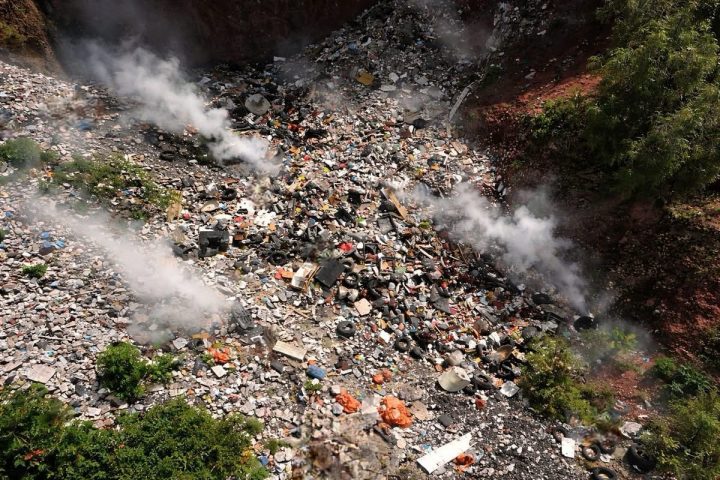
El humo no siempre es visible. A veces se filtra lentamente, como una advertencia ignorada durante demasiado tiempo. En Hueyotenco, una comunidad al norte del Valle de México, los vecinos dicen que el aire cambió antes de que alguien hablara de incendios.…

El Poder Judicial del Estado de Puebla ha puesto fin a la persecución legal contra Renato Romero Camacho, ratificando su inocencia y ordenando el archivo definitivo de la causa penal promovida por la empresa privada encargada de la gestión del agua, Concesiones…

¿Cómo va Sheinbaum con el tema Climático? México entra a una nueva etapa política en medio de una realidad incómoda: la crisis climática ya no es una advertencia futura, sino una condición presente. Sequías prolongadas, temperaturas récord, incendios forestales y estrés hídrico…

Lo que el gobierno presentó como un “diálogo abierto y transparente” sobre el Parque de Economía Circular se ha convertido en una crisis de relaciones públicas, tras revelarse la intención de incinerar residuos y la falta de estudios de impacto ambiental. La…

La crisis política en Tecámac ha cruzado el punto de no retorno. Lo que debía ser un acto protocolario de rendición de cuentas se transformó esta mañana en un campo de batalla político en el emblemático Deportivo Sierra Hermosa. En un hecho…
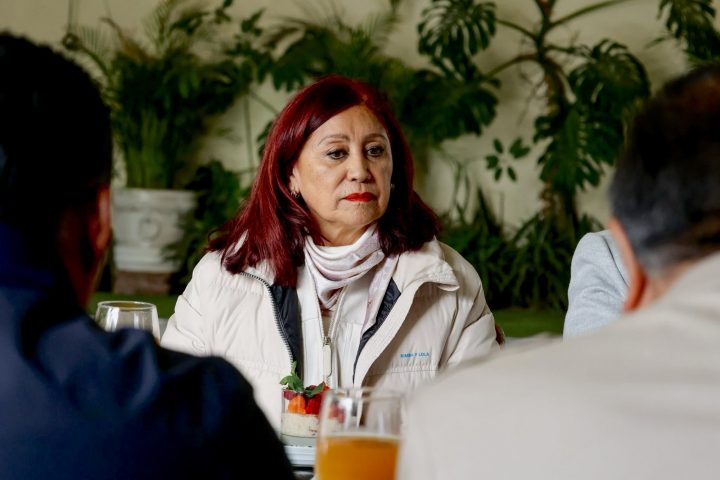
El viento que sopla sobre la explanada del Palacio Municipal de Tecámac ya no trae promesas de transformación; trae el eco de gritos, reclamos y el olor rancio de las viejas mañas políticas. Lo que hace apenas unos meses se celebraba como…

El contenido noticioso ambiental más importante del mundo.