
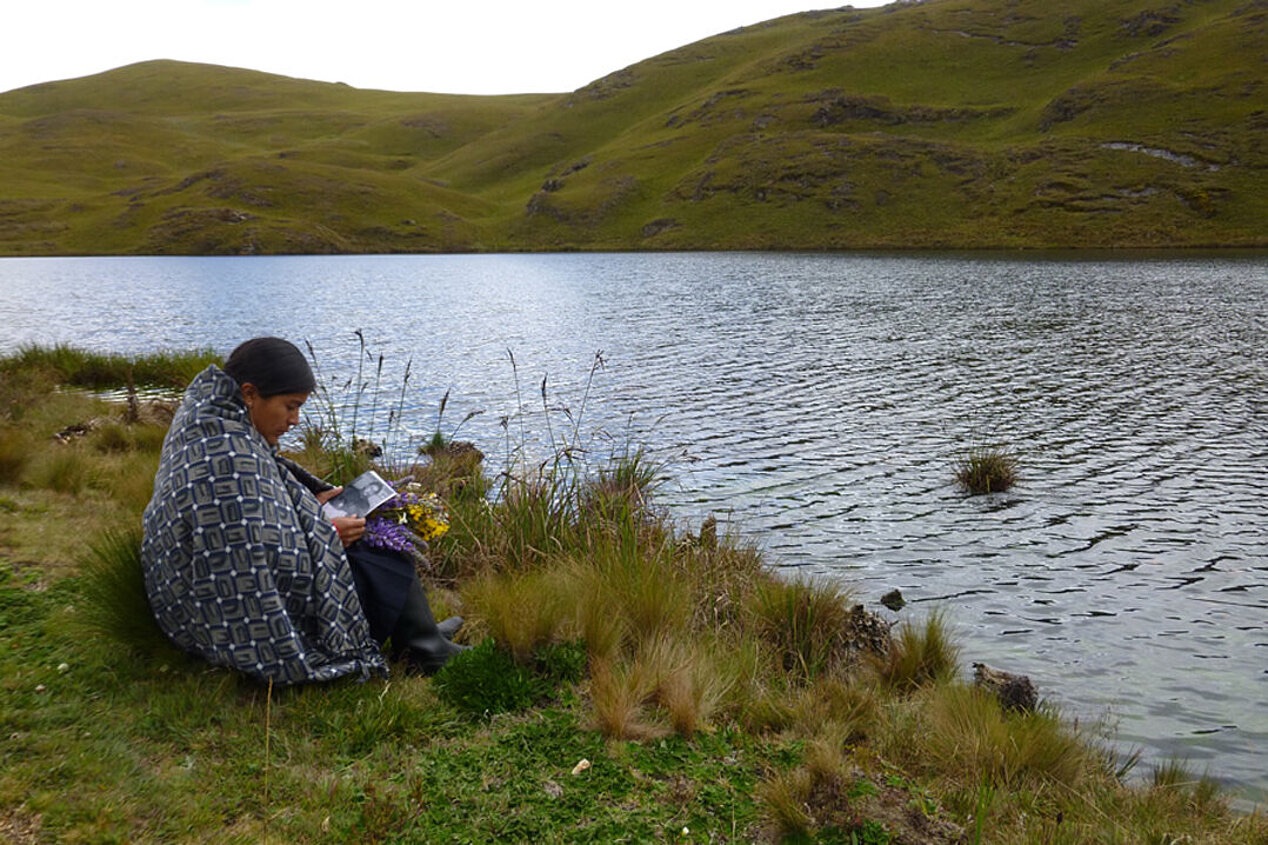
In the highlands of northern Peru, water moves quietly through a fragile network of lakes that sustain entire communities. In Cajamarca, these ecosystems are not only part of the landscape—they are the foundation of life.
Over the past two decades, however, this region has become one of the epicenters of socio-environmental conflict in Latin America. At the center of that conflict lies a difficult question: can economic growth driven by mineral extraction coexist with the protection of vital water systems?
Peru is among the world’s leading producers of gold and copper, and mining accounts for a significant share of its exports and national income. This economic dependence, however, has deepened territorial disputes—especially in rural regions where ecosystems directly sustain livelihoods.
The Conga Project, led by Minera Yanacocha, sought to expand gold and copper extraction in Cajamarca by intervening in a system of high-altitude lakes. The proposal included draining natural lagoons and replacing them with artificial reservoirs—an approach widely questioned by local communities and environmental organizations.
These lakes are not isolated bodies of water. They function as natural regulators, feeding rivers and wetlands that support agriculture, livestock, and daily life. Altering them could have cascading effects across the region’s hydrological systems.
Among those resisting the project, women have emerged as key actors.
Máxima Acuña, a small-scale farmer in the Andean highlands, became an internationally recognized symbol of resistance after refusing to leave her land despite sustained pressure.
“I may not have had the opportunity to learn how to read,” she has said, “but I know how to defend what is mine.”
Her resistance has come at a cost. In 2011, her home was demolished, her livestock taken, and her family subjected to violence and intimidation during the height of the conflict.
But Acuña’s story is not an isolated one.
In rural Cajamarca, women often bear the immediate impacts of environmental degradation. As primary managers of water for domestic use, food preparation, and small-scale agriculture, they are among the first to experience the effects of contamination or scarcity.
Research across extractive regions in Latin America shows that women face disproportionate burdens, including loss of agricultural land, increased unpaid labor, and heightened economic vulnerability.
The conflict quickly extended beyond local communities.
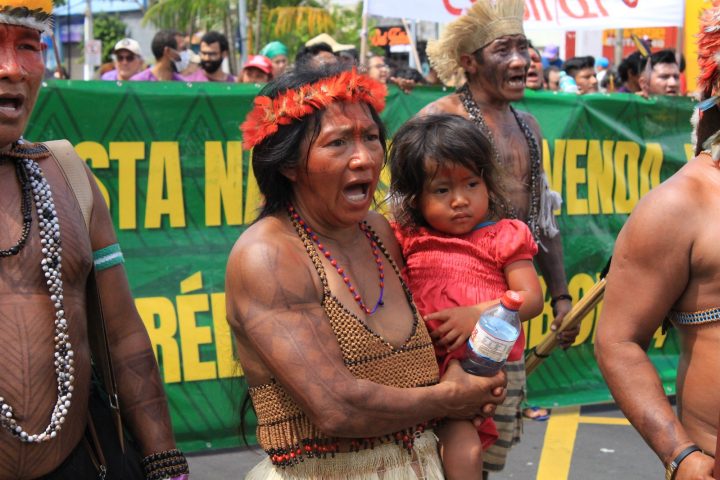
In 2012, thousands of people mobilized in what became known as the National March for Water, a large-scale protest that brought national attention to the risks associated with mining expansion in water-sensitive ecosystems.
The demonstrations reflected a broader pattern: Peru has recorded numerous socio-environmental conflicts linked to extractive industries, many of them centered on access to and control over water.
At the same time, global demand for minerals—driven in part by technological industries and energy transitions—has intensified pressure on resource-rich territories like Cajamarca.
Defending land and water in these contexts often comes at a high cost.
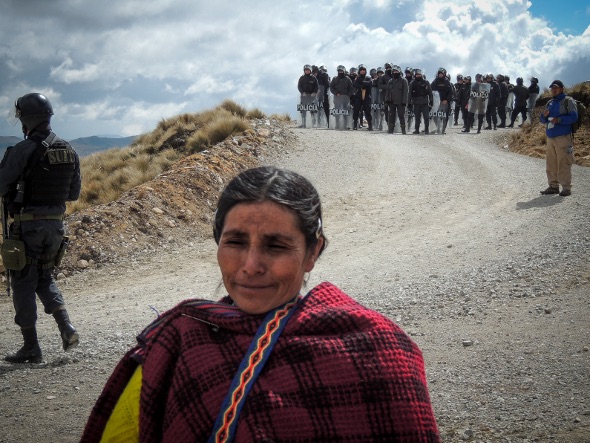
According to Amnesty International, environmental defenders in Peru have faced legal harassment, threats, and physical violence. In some cases, community leaders opposing mining projects have been subjected to multiple legal complaints.
Women defenders face additional risks, including gender-based violence and targeted intimidation.
Despite these challenges, many continue organizing at the local level—monitoring environmental changes, documenting impacts, and building networks of support with civil society organizations.
Following months of protests, national debate, and growing international attention, the Conga Project was ultimately suspended.
Yet the underlying tensions remain unresolved.
Cajamarca continues to be one of the most resource-rich—and contested—regions in Peru. Mining interests persist, and so do the structural conditions that give rise to conflict.
What is unfolding in Cajamarca is not an isolated case.
Across Latin America, similar disputes are emerging in territories where extractive industries intersect with fragile ecosystems and vulnerable communities. These conflicts raise broader questions about development models, environmental governance, and the uneven distribution of risks and benefits associated with resource extraction.
In the Andean highlands, life continues. Fields are cultivated, animals are tended, and families rely on the land as they have for generations.
But the stakes have changed.
For women like Acuña—and many others whose names remain less visible—the defense of water is not only an environmental issue. It is a struggle for survival, dignity, and the right to remain.
In the face of global demand for minerals and powerful economic interests, their resistance continues.
Francis Annagu is a Nigerian environmental journalist whose work focuses on the intersection of the environment, data, and social inequality. More about Annagu here. He has received support from organizations such as the Pulitzer Center, the Africa-China Reporting Project, the Tiger Eye Foundation, and the Rainforest Journalism Fund. His work has been published on platforms such as Panorama Papers, InfoCongo, and EnviroNews.
This article was edited and translated into Spanish by Marcos of El Ambientalista Post (see here in Spanish). more about Marcos here.
Descubre más desde El Ambientalista Post
Suscríbete y recibe las últimas entradas en tu correo electrónico.