El ambientalismo como defensa de privilegios: un análisis histórico desde Santa Bárbara

Pollyanna Rhee, profesora de arquitectura del paisaje en la Universidad de Illinois en Urbana-Champaig, ofrece un exhaustivo análisis sobre cómo el movimiento ambiental moderno fue utilizado para proteger los intereses de propietarios adinerados en Estados Unidos, en particular en comunidades como Santa Bárbara, California.
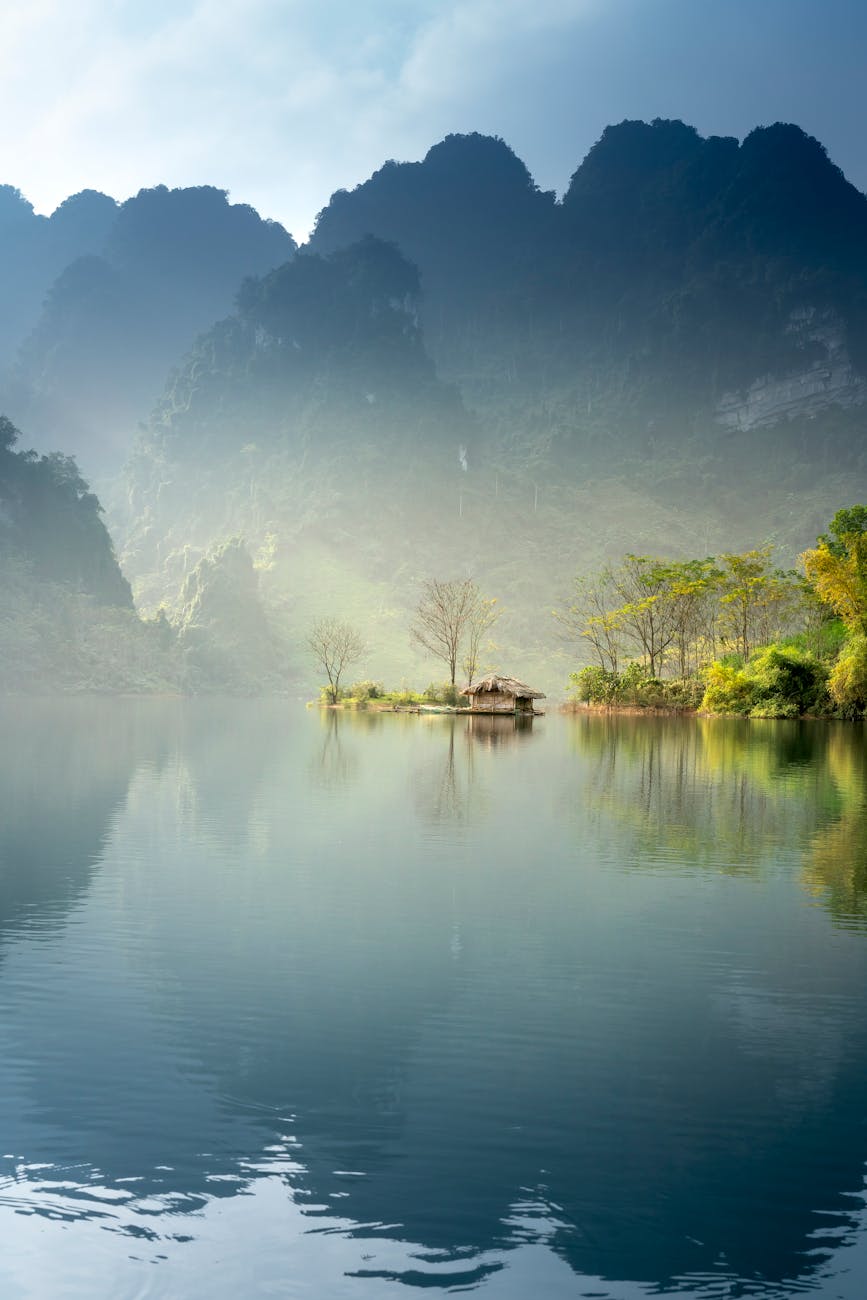
foggy lake
Photo by Quang Nguyen Vinh on Pexels.com

En su libro «Apegos naturales: La domesticación del ambientalismo estadounidense, 1920-1970», la autora parte de un evento clave: el derrame de petróleo de 1969 frente a las costas de Santa Bárbara. Rhee sostiene que esta catástrofe ambiental sirvió como catalizador para una forma de ambientalismo centrado en la protección de propiedades privadas y normas comunitarias, en lugar de impulsar transformaciones sociales más amplias. «Ownership environmentalism» (ambientalismo de propiedad) es el término que utiliza la autora para describir esta tendencia, la cual prioriza el mantenimiento de jerarquías sociales por encima de la justicia ambiental.

La autora documentó cómo esta forma de activismo fue posible en un contexto donde el gobierno promovía la propiedad privada y los desarrolladores inmobiliarios imponían pactos raciales restrictivos. En ese contexto, el ambientalismo se desarrolló más en la vida cotidiana —como en la forma de plantar jardines— que en la formulación de políticas públicas. «No hay una visión política global o una idea bien informada de lo que debería ser la calidad ambiental», señala Rhee.

El libro también traza paralelos con movimientos de jardinería cívica y organizaciones comunitarias de las décadas de 1920 y 1930, dirigidas en su mayoría por mujeres. Un ejemplo citado es la reconstrucción del centro de Santa Bárbara tras el terremoto de 1925, cuando se adoptó el estilo arquitectónico colonial español como símbolo de identidad local. Según Rhee, esto reflejaba una apropiación selectiva de la historia y la geografía para reforzar un imaginario estético exclusivo.

Aunque el derrame de petróleo indignó a los residentes, su respuesta fue pedir que la extracción se trasladara a lugares remotos, como Alaska o el Medio Oriente, sin cuestionar el modelo energético. «Los horizontes políticos de este tipo de ambientalismo están restringidos a unos pocos privilegiados», afirma Rhee, al tiempo que subraya que esta actitud ha limitado la relevancia social del movimiento ecológico.

El concepto de «ownership environmentalism» no es exclusivo de Santa Bárbara. Rhee advierte que se replica en muchas comunidades acomodadas que han utilizado argumentos ambientales para frenar desarrollos de vivienda multifamiliar y expansión urbana, en detrimento de la justicia ambiental y el acceso equitativo a recursos.

NotiPress/Brenda Rodríguez


Descubre más desde El Ambientalista Post

Suscríbete y recibe las últimas entradas en tu correo electrónico.
Deja un comentario

Nuestra cobertura del clima y el medio ambiente

Preguntas frecuentes cobre el Cambio Climático. ¿Usted tiene preguntas sobre el Cambio Climático? Aquí tenemos preguntas

Lo + nuevo

How Cajamarca Women Resist Gold Mining in Peru’s Andes

/

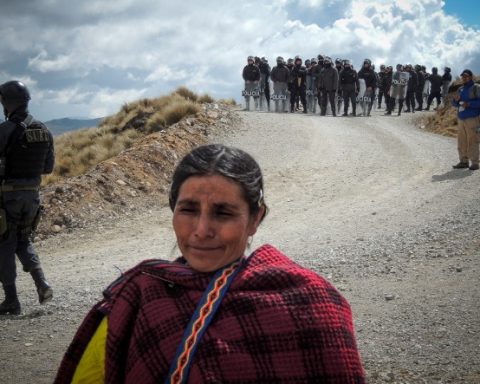
Leer en español The locally known waters of the northern Andes of Cajamarca, Lagunas, flows through the rolling grasslands dotted  with cold and shallow lakes. In Peru’s rural areas, they are the only source of life.  For decades, families have depended on the Lagunas for drinking, watering crops, and raising livestock. But over the  past twenty years, those lakes have turned into one of Peru’s sites for environmental conflicts. Women had been at  the center of this crisis.  Women defending water  Image: Máxima Acuña. Source: New Internationalist  Máxima Acuña, a peasant farmer who lives with her family in the highlands of northern Peru to rear animals and  grow crops, has become a point for resistance when one of Latin America’s largest mining companies tried to expand  its operations into her region.  The Conga Project, led by Minera Yanacocha, was designed to extract gold and copper from deposits in Acuña’s  network of high altitude lakes. To do that, the plan involved draining the lake’s water and replacing them with  artificial reservoirs. But for the community, the move was unacceptable.  “I never had the chance to go to school, I never had the chance to learn even a letter, but I know how to resist, to  fight and that’s why I will never be defeated by the mining companies,” Acuña said during her environmental  campaign, describing why she had laid down the thought of leaving her land despite mounting pressure to do that.  In 2011, due to her resistance, her house, an extension she was building were demolished, and her sheep were  robbed. Her daughter was beaten up by the Peruvian police, who violated her rights to private life and security. But  despite that, Acuña refused to be pressured to run away from her ancestral community. …

Más

Lo relacionado a este contenido

How Cajamarca Women Resist Gold Mining in Peru’s Andes

/

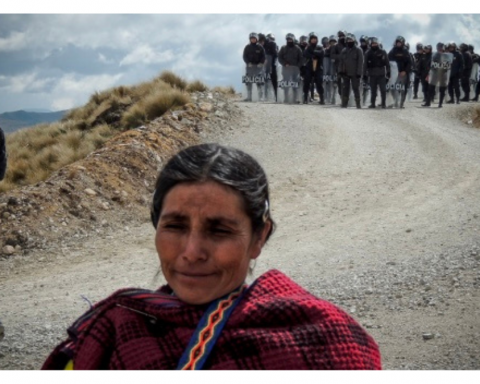
Leer en español The locally known waters of the northern Andes of Cajamarca, Lagunas, flows through the rolling grasslands dotted  with cold and shallow lakes. In Peru’s rural areas, they are the only source of life.  For decades, families have depended on the Lagunas for drinking, watering crops, and raising livestock. But over the  past twenty years, those lakes have turned into one of Peru’s sites for environmental conflicts. Women had been at  the center of this crisis.  Women defending water  Image: Máxima Acuña. Source: New Internationalist  Máxima Acuña, a peasant farmer who lives with her family in the highlands of northern Peru to rear animals and  grow crops, has become a point for resistance when one of Latin America’s largest mining companies tried to expand  its operations into her region.  The Conga Project, led by Minera Yanacocha, was designed to extract gold and copper from deposits in Acuña’s  network of high altitude lakes. To do that, the plan involved draining the lake’s water and replacing them with  artificial reservoirs. But for the community, the move was unacceptable.  “I never had the chance to go to school, I never had the chance to learn even a letter, but I know how to resist, to  fight and that’s why I will never be defeated by the mining companies,” Acuña said during her environmental  campaign, describing why she had laid down the thought of leaving her land despite mounting pressure to do that.  In 2011, due to her resistance, her house, an extension she was building were demolished, and her sheep were  robbed. Her daughter was beaten up by the Peruvian police, who violated her rights to private life and security. But  despite that, Acuña refused to be pressured to run away from her ancestral community. …

Más

Descubre más desde El Ambientalista Post

Suscríbete ahora para seguir leyendo y obtener acceso al archivo completo.

Seguir leyendo